


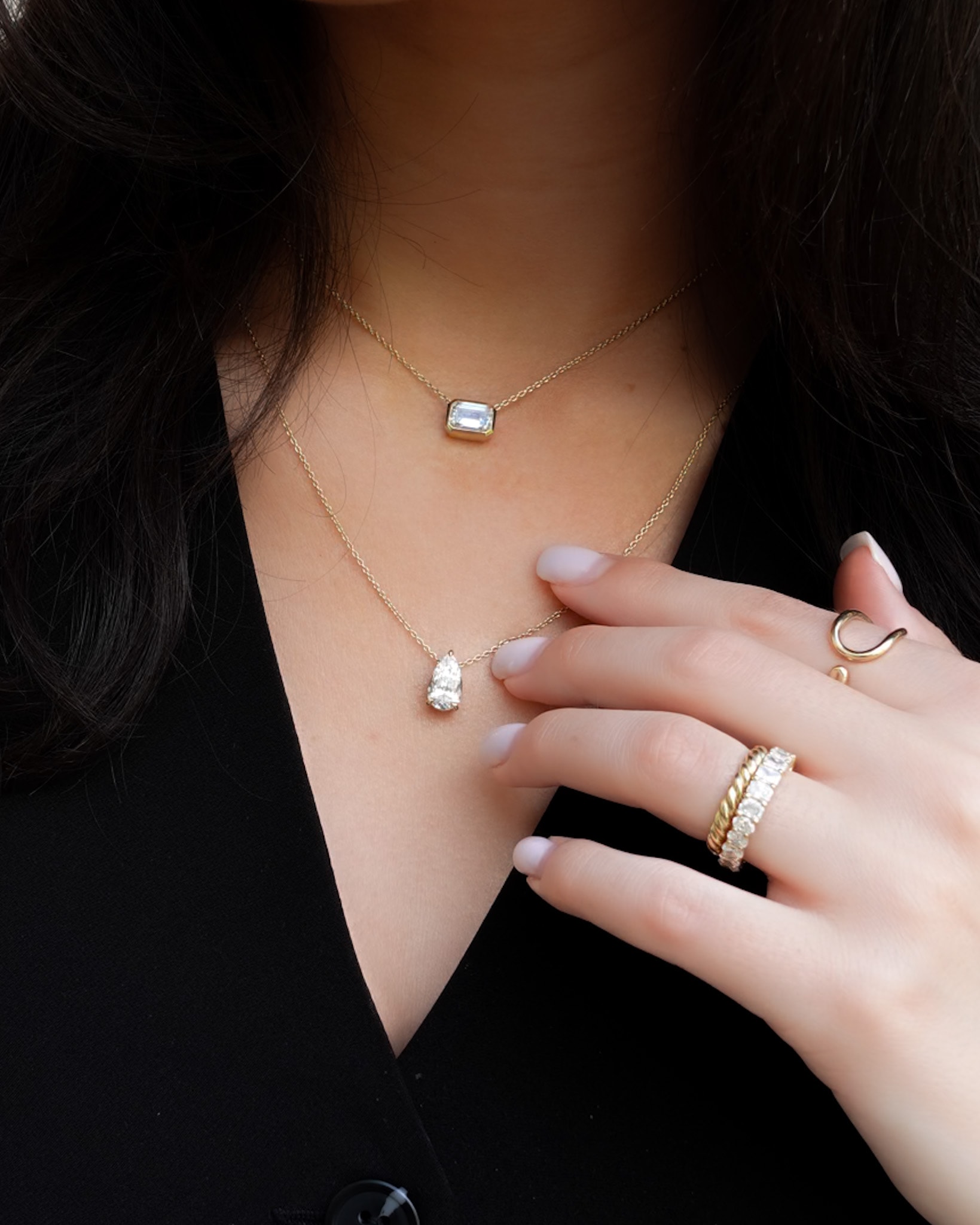
When it comes to choosing an engagement ring, the world of possibilities can feel both exciting and overwhelming. From timeless solitaires to ornate vintage-inspired pieces, every style tells its own story. Among the most enduringly popular designs is the halo setting — a style where a center stone is encircled by a glittering frame of smaller gemstones. Paired with the rise of lab-made diamonds, halo rings are finding a new chapter in modern jewelry trends.
In this article, we’ll explore why diamond halo engagement rings remain beloved, how lab-grown stones are reshaping the market, and what couples should consider before making their choice.
The Allure of the Halo Setting
Halo engagement rings first appeared in the 1920s, during the Art Deco era, and have enjoyed waves of popularity ever since. The design centers on one key concept: surrounding the main diamond with a “halo” of smaller stones to create an illusion of greater size and brilliance. This not only enhances the sparkle but also adds depth and dimension to the ring’s appearance.
Today’s halo designs are incredibly diverse. Some feature double or even triple halos for dramatic effect, while others use colored gemstones as accents for a personal twist. The style suits a range of aesthetics — from sleek, modern designs with minimal metal to ornate, vintage-inspired mountings with milgrain details.
Lab-Made Diamonds: Innovation Meets Romance
In recent years, lab-made diamonds have moved from niche to mainstream. Grown in advanced facilities using High Pressure High Temperature (HPHT) or Chemical Vapor Deposition (CVD) methods, these stones are chemically, physically, and optically identical to mined diamonds. The only difference lies in their origin.
There are several reasons why couples are choosing lab-grown stones:
- Ethical Sourcing – Lab-grown diamonds avoid the environmental and humanitarian issues sometimes associated with mining.
- Value for Money – They generally cost 30–50% less than their mined counterparts, allowing buyers to choose larger stones or invest in higher quality grades within the same budget.
- Environmental Considerations – The controlled production process has a smaller ecological footprint compared to traditional mining.
For many, pairing a halo setting with a lab-made center stone creates a perfect balance of timeless beauty and contemporary values.
Why the Combination Works
Pairing diamond halo engagement rings with lab-made diamonds brings together aesthetics and practicality. The halo itself amplifies the perceived size of the center stone — meaning you can opt for a slightly smaller diamond while still achieving a bold look. With the cost savings of lab-grown stones, couples often upgrade to higher clarity or color grades without breaking their budget.
Another advantage is creative freedom. Since lab-grown stones are more affordable, some couples choose unique shapes like ovals, cushions, or pears — all of which look stunning in halo designs. Others experiment with mixed-metal bands or colored accent stones, knowing they have more flexibility in their overall budget.
Choosing the Perfect Halo Engagement Ring
If you’re considering this style, here are a few factors to guide your decision:
H3: 1. Center Stone Shape
Round brilliants are the most common choice for halos, but elongated shapes like ovals and emerald cuts are increasingly popular. The shape will influence the ring’s overall vibe — round for classic romance, emerald for sleek sophistication, and cushion for vintage charm.
H3: 2. Halo Style
- Single Halo – Offers a balanced, timeless appearance.
- Double Halo – Adds more sparkle and a larger visual footprint.
- Colored Gem Halo – Using sapphires, rubies, or even colored diamonds as the halo adds a vibrant twist.
H3: 3. Metal Type
White gold and platinum enhance a diamond’s brilliance, while yellow and rose gold offer warmth and a distinctive look. Mixed metals can make a halo stand out even more.
H3: 4. Setting Quality
The craftsmanship of the halo is crucial. Poorly set stones can snag or fall out over time. Work with a reputable jeweler who uses secure prong or pave settings.
Myths and Misconceptions About Lab-Grown Diamonds
Despite their growing popularity, some myths about lab-made diamonds persist:
- “They’re fake.” – Not true. They are genuine diamonds with the same chemical composition as mined stones.
- “They won’t last.” – Lab-grown diamonds are just as durable, scoring a 10 on the Mohs hardness scale.
- “They look different.” – To the naked eye, even trained gemologists often require specialized equipment to distinguish between mined and lab-grown stones.
These myths are fading as more jewelers and consumers embrace the science behind lab-created gems.
Sustainability and Emotional Value
One of the most compelling reasons couples choose a halo setting with a lab-grown diamond is the combination of elegance and conscience. Knowing the stone was produced in an ethical, environmentally considerate way adds emotional depth to the ring’s symbolism.
However, emotional value is subjective. For some, the romance lies in the history and geological journey of a mined diamond. For others, it’s in the innovation and progress represented by lab-created stones. The “right” choice is simply the one that resonates with you.
Caring for Your Halo Engagement Ring
Halo rings, while dazzling, have more small stones than simpler designs. This means they require a little extra care:
- Regular Cleaning – Oils and dirt can dull the sparkle. Clean your ring with a soft toothbrush, mild dish soap, and warm water.
- Professional Checkups – Have the prongs and settings inspected annually to ensure stones are secure.
- Safe Storage – Keep it in a fabric-lined jewelry box to prevent scratches.
With proper care, both the halo and the center diamond — whether mined or lab-grown — will maintain their brilliance for decades.
The Future of Engagement Rings
The rise of diamond halo engagement rings with lab-made diamonds reflects a broader shift in the jewelry industry. Today’s couples are looking for designs that marry tradition with innovation, and values with style. Halo rings offer timeless appeal, while lab-grown diamonds meet the modern call for ethical, affordable, and sustainable luxury.
As technology improves and awareness grows, lab-created stones are likely to become even more prevalent, not just in engagement rings but across all fine jewelry. This evolution opens the door to more creativity, personalization, and accessibility — ensuring that no two love stories look exactly the same.
Conclusion
Whether you’re drawn to the halo’s vintage glamour or the modern appeal of lab made diamonds, combining the two can yield a ring that’s as unique as your relationship. The halo amplifies sparkle and presence, while the lab-grown diamond offers ethical integrity and financial flexibility.
In the end, the perfect engagement ring isn’t just about carat weight or price tag — it’s about how it makes you feel every time you look at it. And for many couples today, a diamond halo engagement ring with a lab-created stone feels like the perfect symbol of enduring love in a changing world.